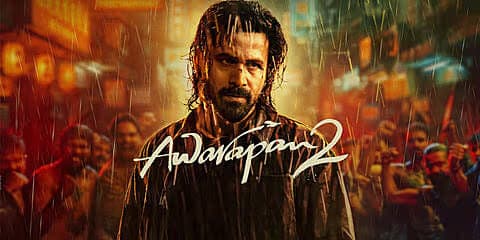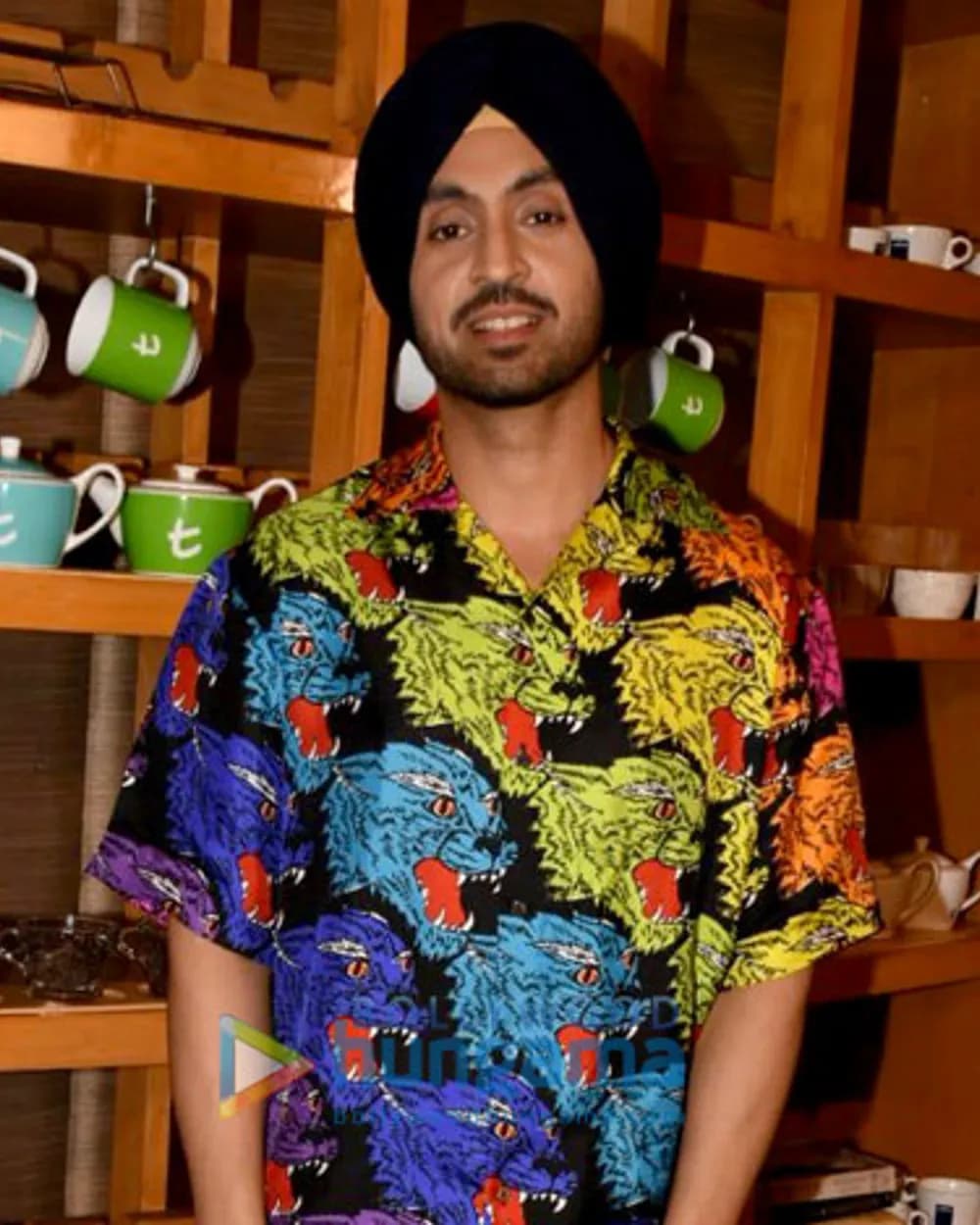
Satluj appeared on ZEE5 on the evening of 3 July 2026 with almost no advance promotion. Roughly 48 hours later, it was removed from the platform’s Indian catalogue. Director Honey Trehan told Forbes that ZEE5 had cited government pressure; the platform’s public statement referred only to “current developments.”
The film stars Diljit Dosanjh as Jaswant Singh Khalra, the Punjab-based human-rights defender who investigated disappearances and unidentified cremations during the state’s years of militancy and counterinsurgency. What began as a biographical drama had, by release, become a story about whether the drama itself would be allowed an audience.
The records behind the story
Khalra and colleagues examined municipal cremation records and alleged that Punjab Police had secretly cremated thousands of unidentified people. A later inquiry ordered by India’s Supreme Court focused on 2,097 cremations at three grounds in the Amritsar district. The film places documentary labour—the gathering of names, receipts and testimony—at the centre of its moral world.
Punjab Police abducted Khalra in September 1995. He was subsequently killed. Six police officials were convicted in connection with his abduction and murder, and India’s Supreme Court upheld convictions in 2011. Satluj dramatises this documented history rather than claiming to be a complete legal record.
The film’s most radical image is not a confrontation. It is a man reading records carefully enough to return identities to the missing.
Three titles and years of delay
Trehan submitted the film to India’s Central Board of Film Certification in late 2022 under the title Ghallughara. It was subsequently known as Punjab ’95 and finally Satluj. According to Trehan and published reports, an initial demand for 21 changes grew to 127, including alterations to names, locations and references to Punjab Police.
The film was announced for the 2023 Toronto International Film Festival before being removed from the programme. It never received the theatrical certificate its makers sought. Releasing directly to streaming in 2026 briefly bypassed that impasse, but the Ministry of Information and Broadcasting later said the release had not completed the required certification process under the 2021 IT Rules. No detailed public blocking order was initially produced.
What happened after the takedown
The removal did not end public engagement with Satluj. Trehan described community screenings taking place in villages and gurdwaras, while ZEE5 asked viewers not to circulate pirated copies and said it was exploring ways to restore lawful access. The contradiction is important: a film can be unavailable through its authorised distributor and still become a shared cultural event.
Satluj deserves discussion on two connected levels: as a film interpreting Khalra’s life, and as a contested object moving through India’s certification and streaming systems. Conflating those questions would reduce the history to publicity. Keeping them together shows why the film’s fate has become part of its meaning.
Editorial note: Historical features distinguish documented facts from interpretation. Images marked illustrative do not depict the named event.